
All Aboard! Boat Maintenance Tips!
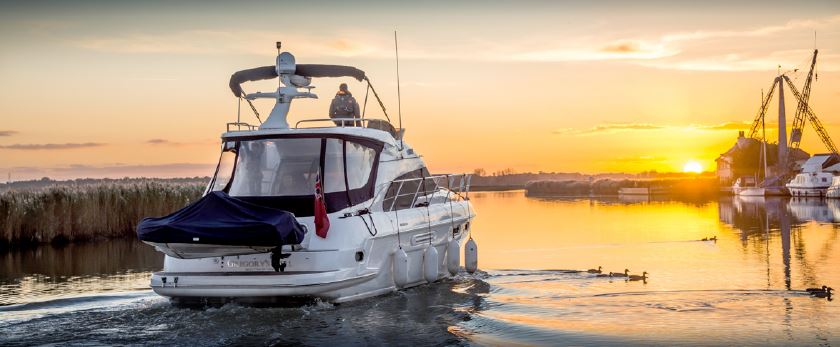
To enjoy a good day out on the water, good boat maintenance is very important. Here are a few simple tips to keep you ship shape this summer!
Boat maintenance is crucial for ensuring the safety, reliability, and longevity of a vessel. Regular maintenance helps prevent issues such as corrosion from exposure to saltwater, ensures optimal engine and extends the lifespan of various parts and components that you don’t want to let you down. Not only that, just keeping the appearance looking great makes you feel good about your vessel and ultimately helps in its re-sale value.
The main things that need to be maintained on a boat are:
- Engine(s)
- The boat’s hull (bottom) and topsides
- Electrical systems
- Plumbing and HVAC systems (in larger boats)
- Moving parts (like hinges, tracks, and zippers)
- Canvas and upholstery
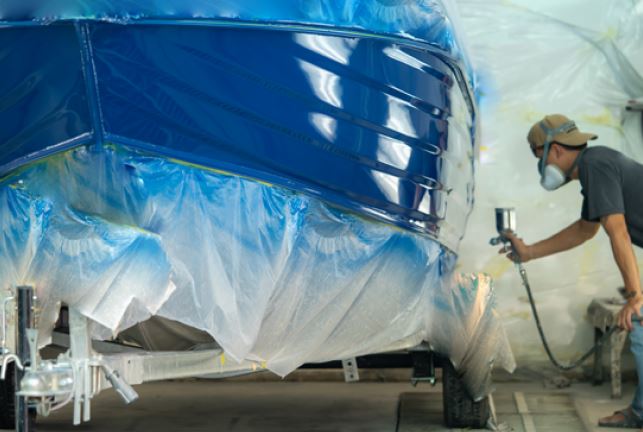
The most basic maintenance tasks are simply keeping things clean and, where appropriate, well-lubricated. This has a huge impact on a boat. The fibreglass gel coat, for example, will oxidise and turn chalky if you don’t wash and wax it regularly. So, a basic boat hull maintenance chore with any fibreglass boat is washing and waxing. Dirt that sits on canvas and upholstery allows mould and mildew to attach and grow, so again, regular cleanings are very important. Having a dirty bilge pump means you may not spot leaking fuel or fluids and can lead to clogged bilge pumps which allow water to escape.
After a day out on the water, other than cleaning the boat and lubricating parts as necessary there aren’t many maintenance tasks you need to worry about. The one other maintenance chore that should be done after every trip is making a simple visual inspection of all the boat’s systems. If you spot anything wrong, then you can decide whether to tackle the challenge yourself or take the boat in for repairs.

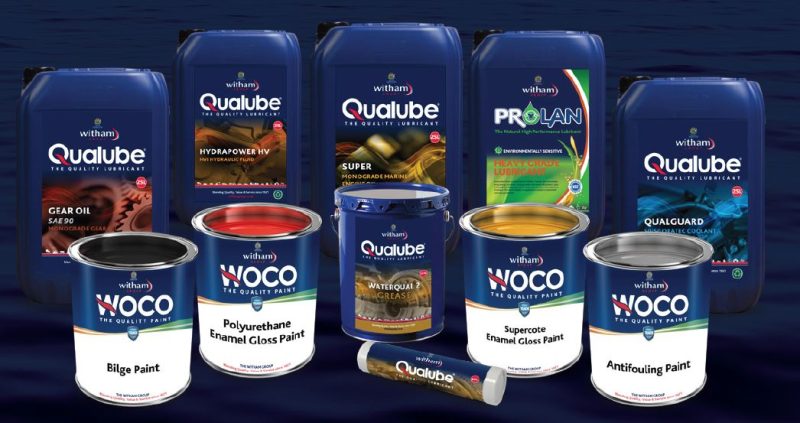
In terms of products for boat maintenance, Witham Group has all you need no matter how large or small the vessel may be. Commonly used products include:
- Engine Oil: Use marine-grade engine oils that are specifically designed for marine engines. These oils are formulated to provide the necessary protection against the harsh marine environment and the unique demands of marine engines.
- Antifouling Paint: Antifouling paints are applied to the hull below the waterline to prevent the growth of marine organisms, such as barnacles and algae. Copper-based antifouling paints are commonly used, but it’s important to choose a paint suitable for the boat’s material (e.g., fibreglass, aluminium, or wood).
- Topside Paint: Topside paints are used for the visible parts of the boat above the waterline. They protect the boat from UV rays, salt, and other environmental factors. Choose a marine-grade topside paint that is compatible with the boat’s material and finish.
- Bilge Paint: Bilge areas are prone to moisture and can be a breeding ground for mould and mildew. Bilge paint helps protect these areas and makes them easier to clean.
- Outdrive and Gearcase Lubricants: For boats with outboard motors or sterndrives, use marine-grade lubricants specifically formulated for outdrives and gearcases. Lubricants will help prevent corrosion from long exposure to salt or water on many metals and working parts of the vessel and there are now also water safe and less environmental impact options.


Leave a Reply