
The Essential Guide to Wire Rope Lubricants
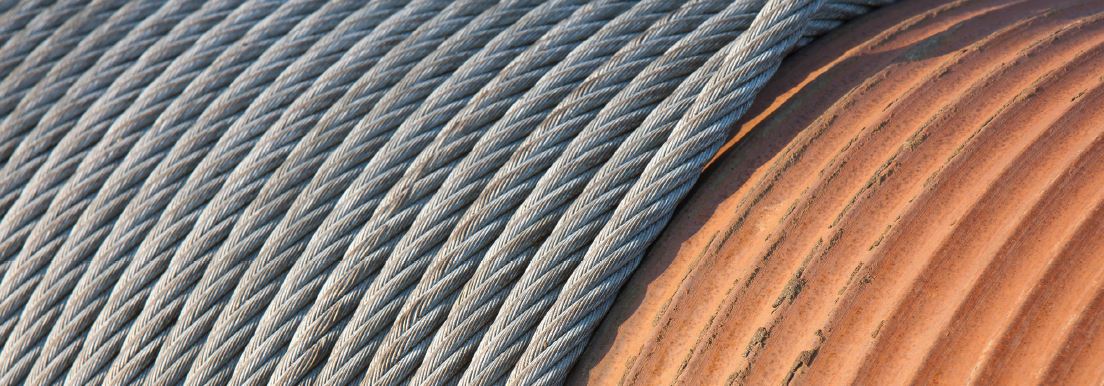
Wire ropes are critical components in many industries, including construction, mining, shipping, and offshore drilling, where they are used to lift, pull, and suspend heavy loads. These ropes are composed of numerous strands of steel wire twisted together, which makes them strong and durable but also prone to friction, wear, and corrosion. To ensure safe and effective operation, wire ropes must be properly lubricated to avoid disastrous consequences and here we explain why using a trusted product might just save the day.
Why Lubrication is Essential for Wire Ropes
- Reducing Friction and Wear: Wire ropes are made up of multiple strands that move relative to each other under load. This movement generates friction between the strands, which can lead to wear and tear over time. Lubrication reduces this internal friction, ensuring that the wires move smoothly against each other, thus minimising wear and prolonging the life of the rope. Without proper lubrication, the friction can cause the strands to wear down, leading to a weakened rope and potential failure during operation.
- Preventing Corrosion: Wire ropes are often exposed to harsh environmental conditions, such as moisture, saltwater, and chemicals, which can cause corrosion. Corrosion weakens the rope, making it less capable of handling loads and increasing the risk of failure. Lubricants form a protective barrier around the rope’s surface and inner strands, preventing water, salt, and other corrosive substances from penetrating and damaging the metal.
- Maintaining Flexibility: Wire ropes need to maintain flexibility to function safely and efficiently. Over time, wear and corrosion can make the rope stiff and brittle. Lubrication helps keep the strands of the rope flexible, allowing them to bend and move without becoming rigid. This is particularly important in dynamic applications, such as cranes or elevators, where the rope must move continuously under load.
- Reducing Heat Build-Up: In heavy-duty applications, wire ropes are subjected to high levels of tension and friction, which can generate heat. Excessive heat build-up can degrade the rope’s strength and cause premature wear. Proper lubrication helps dissipate heat, preventing damage to the rope and reducing the risk of failure.
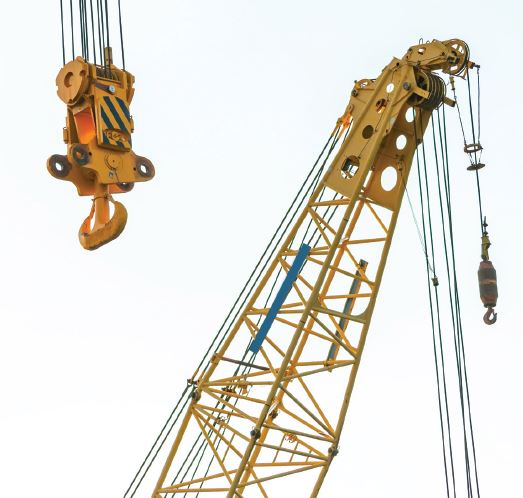
Key Qualities of Wire Rope Lubricants
Not all lubricants are suitable for wire ropes. The right lubricant must possess specific characteristics to ensure optimal performance and safety. Here are the key qualities to look for:
- Penetration: A good wire rope lubricant must penetrate deep into the rope’s core, where the internal strands are most vulnerable to wear and corrosion. Lubricants that only coat the surface won’t provide adequate protection. Penetrating lubricants are usually oil-based, designed to seep into the core and protect the internal wires.
- Adhesion: The lubricant must have good adhesive properties to stay on the rope, even under extreme conditions. Wire ropes are often subjected to constant motion, tension, and exposure to water or other liquids, so the lubricant must remain in place to provide continuous protection. High-viscosity lubricants or greases are commonly used for this purpose, as they cling to the wire surface better than thin oils.
- Corrosion Resistance: Corrosion is one of the most common causes of wire rope failure, especially in marine or industrial environments where the ropes are exposed to saltwater, chemicals, or humidity. The lubricant should offer excellent corrosion protection by forming a protective barrier that prevents moisture from penetrating the rope. Grease-based lubricants are typically preferred in marine applications due to their superior resistance to water washout.
- Water Resistance: For wire ropes used in wet or marine environments, water resistance is crucial. The lubricant should repel water and prevent it from penetrating the rope. This is important not only for preventing corrosion but also for avoiding the displacement of the lubricant itself by water. Marine-grade lubricants are specifically formulated to resist water washout, ensuring long-lasting protection.
- Temperature Stability: Wire ropes used in extreme environments—whether high-temperature industrial settings or cold climates—require lubricants that can maintain their performance across a wide range of temperatures. A lubricant that becomes too thick in cold conditions or too thin in heat will not provide adequate protection. Therefore, temperature stability is a key consideration for ensuring consistent lubrication in diverse working environments.
- Compatibility with Existing Lubricants: Sometimes, wire ropes may need to be re-lubricated during their service life. It’s important that the new lubricant is compatible with any residual lubricant left on the rope to avoid chemical reactions that could degrade performance. Using lubricants that are designed to work in tandem with others ensures the rope continues to perform optimally.
PREPARE FOR A Safe & Reliable Performance
Wire ropes are a vital part of many industries, and their failure can lead to serious safety risks and operational disruptions. Proper lubrication is essential to ensure that wire ropes perform reliably and safely. The right lubricant must penetrate the core, resist corrosion and water, and stay in place under extreme conditions. By choosing the correct lubricant and applying it regularly, operators can extend the service life of their wire ropes, enhance safety, and reduce maintenance costs.
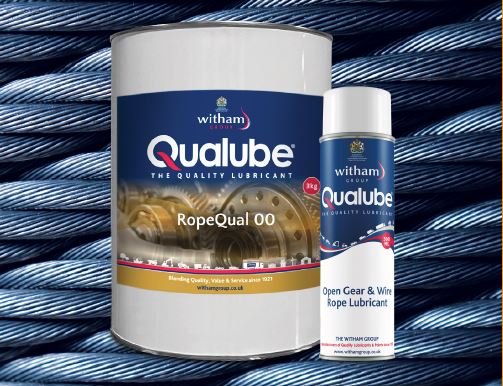
Witham Group understands that these lubricant requirements are key to producing products that not only meet performance standards but also contribute to safer and more efficient operations. Contact us today about our trusted Qualube Wire Rope Lubricants or visit our website to find out more.


Leave a Reply